
Restoration Digital Marketing Agency
We help restoration companies capture urgent water, fire, and storm-damage calls through advertising built for how these jobs actually get booked, fast, high-stakes, and often tied to an insurance claim.


Urgent, High-Stakes Leads - Water and fire damage calls are time-critical, and slow response loses the job to whoever answers first
Our Solution – Fast-response campaign setup and call tracking that gets your team to the phone before a competitor does
Insurance-Driven Sales Cycle - Most restoration jobs run through an insurance claim, a longer and different buying process than typical home services
Our Solution – Landing pages and follow-up sequences built around the insurance-claim timeline, not a one-call close
Trust Barrier at the Worst Moment - Homeowners are stressed and vulnerable when they call, and won't hire a company that feels unfamiliar or unproven
Our Solution – Messaging built around certifications, insurance experience, and response time, the details that build trust fast in a crisis
Storm-Driven Demand Spikes - Major weather events create sudden surges that a flat monthly budget can't capture
Our Solution – Scalable campaigns with budget rules that ramp up fast when storms hit and pull back during calm periods
Competing Against National Franchises - Big-name restoration franchises dominate paid search in most local markets
Our Solution – Local-market positioning and bidding strategy built to compete for calls without matching a franchise’s national budget
Low-Quality Insurance-Shopper Leads - Some callers are only gathering quotes for insurance paperwork, not ready to book a job
Our Solution – Pre-qualification messaging and targeting that filters for real, bookable jobs over quote-shopping
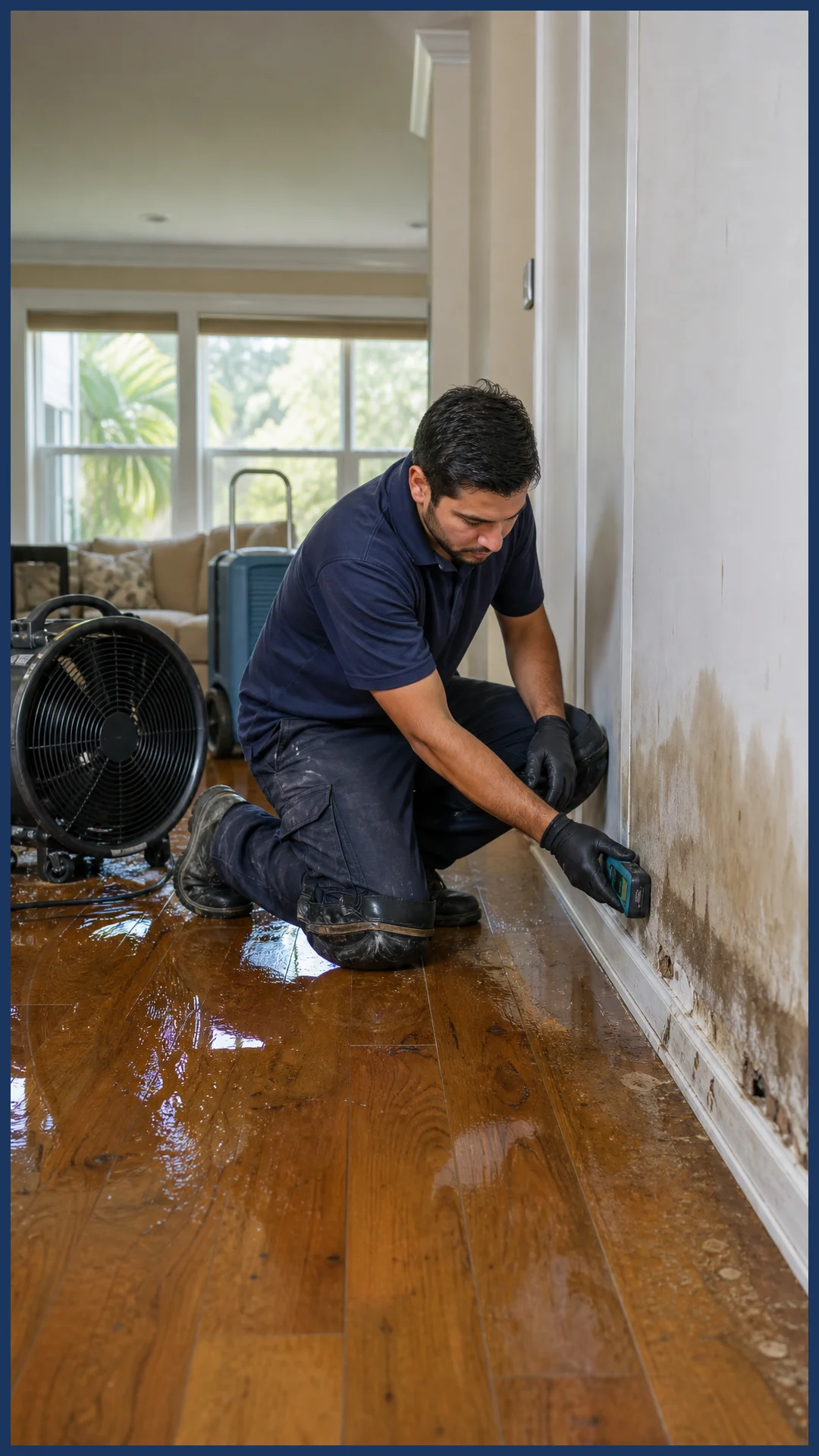
Restoration Marketing Services. Growth & Leads For Restoration Companies
Google Ads Management
Capture homeowners searching for water damage, fire damage, and storm restoration right now.
Our restoration-focused Google Ads campaigns target emergency and insurance-claim searches so your budget goes toward calls from people who need help today.
Fast-response ad copy, call extensions, and geo-targeting keep your cost per lead down while your phone rings with real jobs.
Facebook & Instagram Ads
Turn before-and-after restoration photos into ads that build trust before the phone even rings.
Our social campaigns show your team, equipment, and completed restorations to homeowners in your service area, the kind of visual proof that reassures someone hiring a stranger during a crisis.
Local SEO Domination
Show up first when someone searches for water damage or restoration help near them.
We optimize your Google Business Profile and website so your business appears for the emergency searches that turn into real jobs, day or night.
High-Converting Landing Pages & Websites
Turn website visitors into booked jobs with pages built for the restoration buying process.
Clear certifications, insurance-claim guidance, and one-click calling get more of your traffic to actually convert.
Video Advertising
Show the scale of your work with footage regular photos can’t capture.
Before-and-after restoration footage and storm-response documentation make for video that builds credibility fast.
AI Automation & AI Integration for Contractors
Respond to storm-driven call spikes without missing a single lead.
Automated intake and follow-ups mean a caller gets a response fast, even when your phone is ringing nonstop after a major storm.
CRM Integration
Track every lead from first call through the full insurance-claim timeline.
See which channels bring in your best jobs, and follow up automatically with leads still waiting on claim approval.
Real Results for Contractors Like You
Every number represents real leads, jobs, and growth
When Our Agency Is The Best Fit For You
- You want predictable lead volume
- You want to respond faster to storm-driven emergency calls
- You want to stop competing on price with quote-shoppers
- You want to compete with national franchises in your local market
- You want to maximize marketing ROI
- You need lead tracking through a long insurance-claim cycle
- You need processes automation
- You want a high-converting website or landing pages
- You want to stand out from competitors
- You want to build a trusted, premium restoration brand
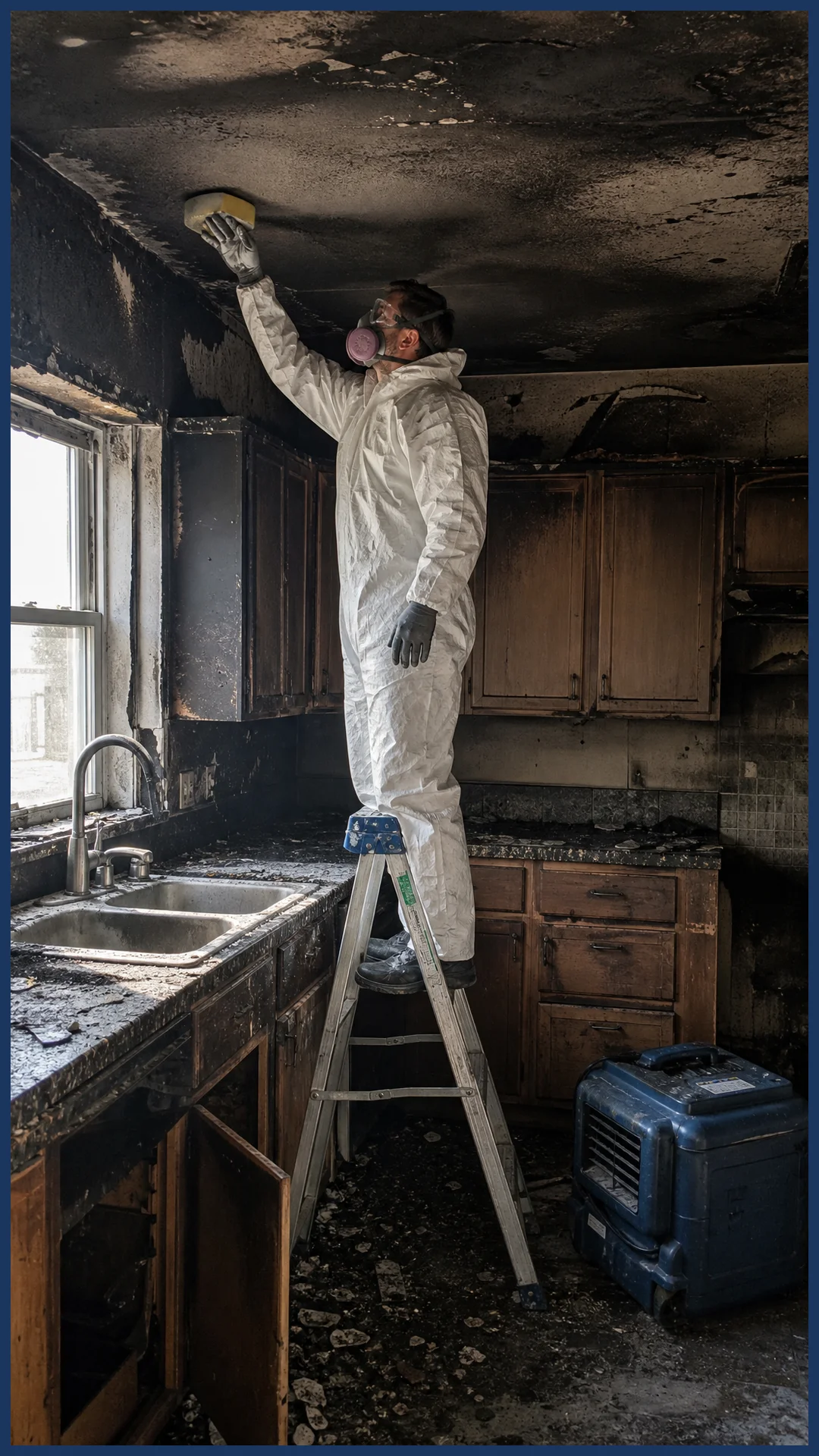
What Type of Restoration Companies We Serve
Water Damage Restoration
Capture high-urgency water damage calls with campaigns built to respond within minutes, not hours
Fire & Smoke Damage Restoration
Reach homeowners navigating a fire loss with marketing that builds trust and clarity fast
Mold Remediation
Generate leads for mold inspection and remediation work, often a follow-on service after water damage
Storm & Disaster Restoration
Scale campaigns fast when severe weather drives sudden demand across your service area
Insurance Claim Restoration Work
Marketing and follow-up built around the realities of the insurance-claim timeline
Commercial Restoration Services
Reach property managers and business owners needing large-scale commercial restoration
Our Proven Process
Free Strategy Audit
We start by auditing your current online presence, competitors, and market opportunity to build a data-backed growth plan specific to your business.
Custom Marketing Strategy
We design a tailored SEO, PPC, and content strategy built around your service area, ideal customers, and growth goals -- no cookie-cutter templates.
Execution & Optimization
Our team launches and continuously optimizes your campaigns, tracking performance weekly to maximize qualified leads and minimize wasted spend.
Reporting & Scaling
You get clear, transparent reporting on leads, cost per lead, and ROI -- so we can scale what's working and keep your pipeline full.
FAQs about restoration marketing agencies & services
How do restoration companies get more customers?
Most restoration companies get consistent customers by combining fast-response advertising for emergency water, fire, and storm-damage calls with local search visibility for the searches that happen right after a disaster.
Because most restoration jobs involve an insurance claim, the marketing that works best doesn’t stop at generating the call. It also needs to support a longer follow-up process while the claim gets approved, rather than treating every lead like a one-call close.
A restoration company generating leads from a standing start needs the fundamentals in place first: a website that loads fast and shows certifications and insurance experience clearly, a Google Business Profile with real reviews, and a way to respond to calls quickly, especially right after a storm when every competitor’s phone is also ringing.
What is the best platform for restoration company advertising?
Google Ads tends to perform best for restoration companies because water and fire damage searches are almost always urgent, high-intent, and decided within minutes.
A complete restoration marketing plan usually includes:
- Google Ads for emergency searches and insurance-claim-driven intent
- Facebook and Instagram ads for before-and-after project photos that build trust
- Local SEO to stay visible for round-the-clock emergency searches
- Display ads on local news sites for storm-driven demand spikes
Storm season shifts the mix fast. When severe weather hits, search volume for water damage and storm restoration spikes within hours, and campaigns that can scale budget up quickly capture more of that demand than ones running on a fixed monthly cap.
How much should a restoration company spend on marketing?
There is no single right number. It depends on your service area, how many jobs your crews can actually take on, your average job value, and how much of the local market national franchises already control.
A simpler way to set a budget is to work backwards from cost per booked job: decide how many more jobs you want each month, look at what a booked water or fire job is worth to you, and set a budget that keeps the cost of winning each job well below its profit.
A newer restoration business competing against established franchises often needs to invest more heavily in paid search at the start, since organic rankings take time to build and emergency searches rarely wait for page-two results. It also helps to hold some budget in reserve for storm weeks, when demand jumps and a fixed monthly cap runs out early.
How can I promote my restoration business?
Promoting a restoration business effectively starts with making sure your website and Google Business Profile clearly show what separates you from national franchises: certifications, insurance-claim experience, and real response times, since those are exactly what a stressed homeowner checks before calling.
Effective promotion for restoration companies usually includes:
- A mobile-friendly website with clear certifications and one-click calling
- Before-and-after photos and video from completed restorations
- A steady flow of Google reviews from recent customers
- Targeted ads for the specific damage type you want more of, like water, fire, or mold
- Fast response to calls, especially in the hours right after a storm
Response speed matters more in restoration than in almost any other trade. A homeowner with active water damage is calling several companies at once, and the first one to answer and show up usually wins the job.
How do Google Ads work for water damage and restoration companies?
Google Ads put your company at the top of the results when someone searches for things like “water damage restoration near me” or “emergency fire damage cleanup.” You pay when someone clicks or calls, so the budget goes toward people who need help now.
For restoration, a well-built campaign usually includes:
- Separate campaigns for water, fire, mold, and storm damage, so each gets its own budget and ad copy
- Call-focused ads and call extensions, because most emergency jobs start with a phone call
- Tight geo-targeting to the area your crews can reach quickly
- Negative keywords that filter out DIY searches, job seekers, and people only looking for insurance paperwork
- Google Local Services Ads where they are available for restoration in your area, since they show above regular ads with a Google screened badge
We track calls and form leads back to the keyword that produced them, so budget moves toward the searches that turn into booked jobs, not just clicks.
How does local SEO help a restoration company show up in Google Maps?
Local SEO is what gets your business into the map results and the organic listings without paying per click. For restoration, that matters because many people skip the ads and call one of the first companies in the map.
The work usually covers:
- A fully set up Google Business Profile with the right primary and secondary categories, service areas, and 24/7 hours if you offer emergency service
- Separate website pages for each service (water damage, fire and smoke, mold remediation, storm damage, sewage cleanup) and for the main cities you serve
- A steady review process, so recent customers mention the type of job and the town in their own words
- Consistent business name, address, and phone across directories
- Photos of real jobs and crews added to your profile regularly
SEO takes longer to build than ads, but once you rank, those emergency calls keep coming without a cost per click, which makes it the best long-term complement to paid search.
Do Facebook and Instagram ads work for restoration companies?
Yes, but for a different job than Google Ads. Nobody opens Instagram to find a water damage company during a flood, so social ads are not the main source of emergency calls.
Where Facebook and Instagram ads do work well for restoration:
- Building recognition in your service area, so homeowners already know your name when something goes wrong
- Before-and-after photos and short videos of real restorations, which build trust faster than any claim on a website
- Retargeting people who visited your website but did not call yet
- Non-emergency services like mold inspections, odor removal, and storm preparation
- Reaching affected neighborhoods quickly after a major storm
We usually run social as a supporting channel alongside search, not as a replacement for it.
What should a restoration company's website and landing pages include?
A restoration website has one main job: get a stressed homeowner to call you instead of the next result. Our website and landing page design for restoration companies is built around that.
The pages that convert best usually show:
- A click-to-call phone number at the top of every page, on every device
- Your real response time and whether you answer 24/7
- Certifications (such as IICRC), licensing, and insurance
- How you help with the insurance claim, including whether you bill the insurer directly
- Before-and-after photos from local jobs and recent reviews
- A short form for people who would rather not call
Each ad campaign should send traffic to a page that matches what the person searched for. Someone searching for fire damage cleanup should land on a fire damage page, not your homepage.
How can automation and a CRM help restoration companies manage leads?
Restoration has two problems most trades do not: sudden call spikes after storms, and a long insurance-claim timeline after the first call. Automation and a CRM help with both.
With AI automation, missed calls get an instant text back, after-hours callers get answered and their details collected, and urgent jobs get flagged to your on-call team. Nothing slips through when the phone is ringing nonstop.
With CRM integration, every lead is tracked from the first call through inspection, estimate, claim approval, and the finished job. Automatic follow-ups go out to people still waiting on their adjuster, and you can see which ads, keywords, and channels actually produce paid jobs, not just phone calls.
Can you help restoration companies win commercial jobs from property managers?
Yes. Commercial work like apartment complexes, offices, and retail buildings is sold differently from residential emergency jobs. The decision is usually made by a property manager, facilities director, or HOA board, often before any damage happens.
For commercial restoration, we typically combine:
- LinkedIn ads aimed at property and facilities managers in your service area
- A dedicated commercial page covering response plans, capacity, and the size of buildings you handle
- Google Ads for commercial searches, kept separate from residential so budgets do not compete
- Email follow-up to keep you in mind until the next incident
Commercial accounts take longer to win, but one property management contract can bring repeat jobs across many buildings.
What digital marketing services do you offer for restoration companies?
We provide marketing services built around how restoration jobs actually get booked, combining fast-response advertising for emergencies with the follow-through a long insurance-claim cycle requires.
Our core services include:
Local SEO focused on your service area
Targeted Google Ads campaigns for water, fire, and storm damage
Facebook and Instagram ads with before-and-after content
Website design built around certifications, insurance guidance, and fast quote requests
Video marketing for large restorations and storm response
AI automation for after-hours calls and storm-driven call spikes
CRM integration and lead tracking through the full claim timeline
Review management
We start with a free strategy session to understand your service area, current lead flow, and how much of your market national franchises already control, then build a plan around what’s actually going to move the needle for your business.
Join contractors across the USA who've transformed their growth
Complete the form below to help us prepare a custom growth strategy for your business.
After submission, you'll be able to schedule your session instantly.
✓ 30-Minute Deep-Dive Strategy Session
✓Custom Market Analysis
✓Competitor Research Included