
SaaS Marketing Agency for Growing Software Companies
Leads4Build runs SaaS marketing as one plan: SEO, AI search optimization (AEO, GEO, and LLM SEO), link building, paid search and paid social, ABM, and inbound. The goal is pipeline you can measure: trials, demos, and revenue by channel.


Rising Customer Acquisition Costs - Paid click costs keep climbing in competitive software categories, squeezing margin on every signup
Our Solution – A blended acquisition strategy that reduces dependence on any single rising-cost channel
Low Trial-to-Paid Conversion - Getting the signup is one problem; getting that trial to actually convert is a separate one
Our Solution – Conversion-focused onboarding and lifecycle messaging built around where trials actually drop off
Content That Doesn't Rank - Generic SaaS blog content competes against hundreds of near-identical posts targeting the same keywords
Our Solution – Content built around genuine topical authority and search intent, not keyword-stuffed filler
Technical SEO Gaps in JavaScript-Heavy Platforms - Modern SaaS sites often have crawlability and indexing issues most teams never check for
Our Solution – A full technical audit covering rendering, indexing, and crawl budget issues specific to JS-heavy platforms
Attribution Confusion Across a Long Sales Cycle - Multiple touchpoints across weeks or months make it hard to know what's actually driving signups
Our Solution – Multi-touch attribution and reporting that connects marketing activity to real signups and revenue
A Growth Motion That Doesn't Scale - What got you your first 100 customers rarely scales to your next 1,000 without a real system behind it
Our Solution – Repeatable acquisition systems built to scale past the founder-led-growth stage
Invisible in AI Answers - Buyers ask ChatGPT and Perplexity for software shortlists, and your product isn't named
Our Solution – Prompt-level tracking plus the on-site and off-site work that gets your product mentioned and cited
Leads That Sales Ignores - Marketing hits its lead number while sales says the leads are not a fit
Our Solution – Shared lead definitions, lead scoring, and an ABM target list built together with sales
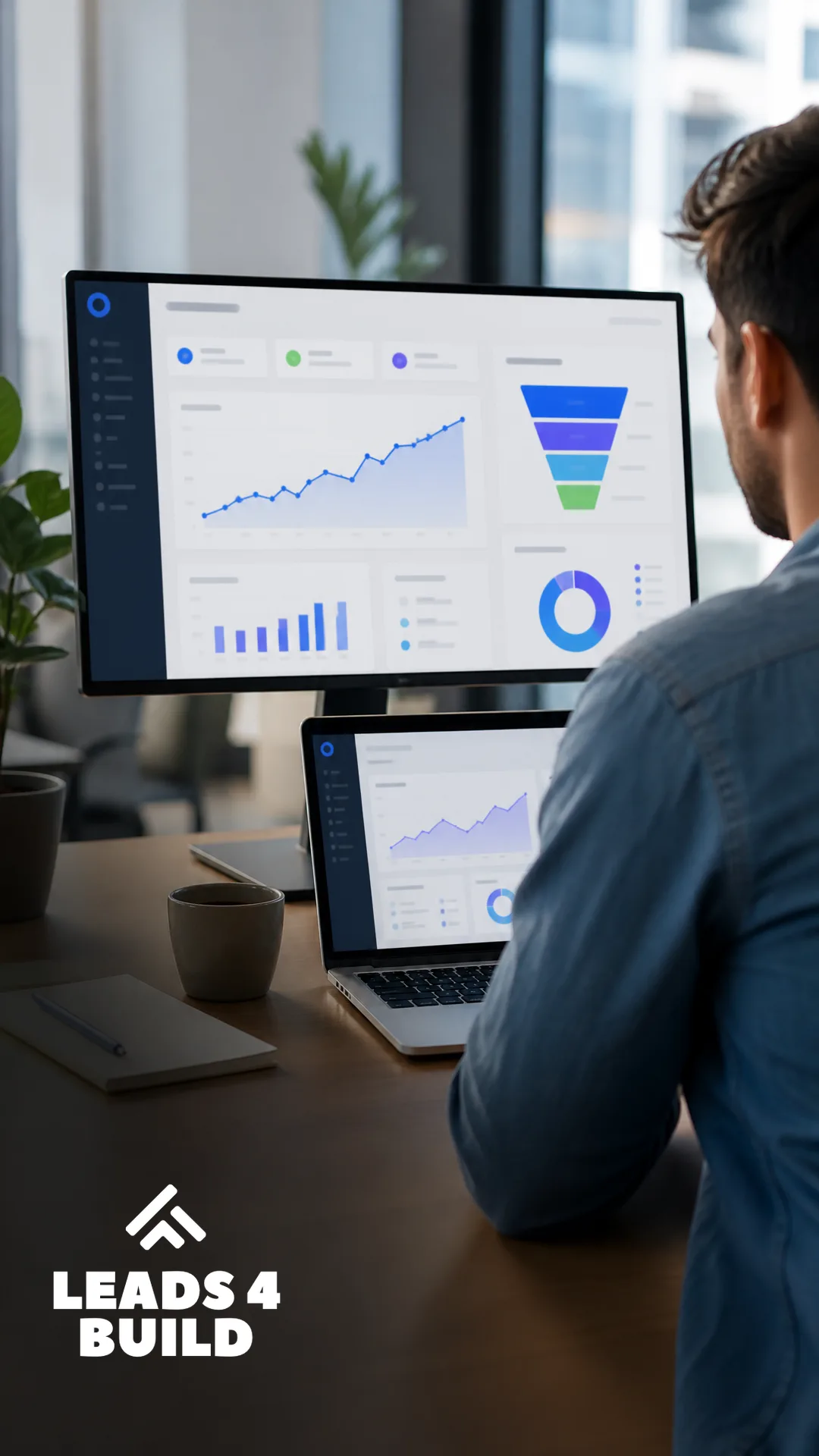
SaaS Marketing Solutions
SaaS SEO Strategy
Rank for the searches your buyers actually make
- Keyword research mapped to funnel stage: problem, category, comparison, and alternative searches
- Feature, use-case, and integration pages built around real search demand
- Comparison and “alternatives to” pages for the competitors your buyers already evaluate
- Programmatic pages (integrations, templates, use cases) only where there is real search demand behind them
Technical SEO for SaaS Platforms
Fix what generic SEO audits miss
- JavaScript rendering and indexing audits
- Crawl and site architecture review across your marketing site, docs, and help center
- Core Web Vitals and page speed work
- Site migrations and replatforming without losing rankings
AI Search Optimization: AEO, GEO and LLM SEO
Get named when buyers ask AI to shortlist software
- Tracking a fixed set of buyer prompts across ChatGPT, Perplexity, Gemini, Claude, and Google AI Overviews
- Pages structured so AI engines can quote them: direct answers, comparison tables, clear FAQs
- Entity and schema work (Organization, SoftwareApplication, FAQ) so engines understand what your product is
- Earning mentions on the review sites, “best tools” lists, and industry publications AI answers often draw on
- Full details on our AI SEO & GEO services page
Link Building & Digital PR
Earn links from sites your buyers and AI engines trust
- White-hat outreach only: no private blog networks, no paid link farms
- Original data and research that other sites want to reference
- Placements in industry publications and relevant “best tools” roundups
- Link gap analysis against the competitors outranking you
Content Marketing & Thought Leadership
Content your sales team actually sends to prospects
- Bottom-of-funnel pieces first: comparisons, pricing explainers, use cases
- Founder and subject-expert articles written from interviews, not generic research
- Case studies built from real customer results
- One core piece repurposed into LinkedIn posts, emails, and sales follow-ups
Google Ads & Paid Search
Pay for demo and trial intent, not curiosity
- Search campaigns split by intent: category, competitor, and problem keywords
- Branded campaigns that protect your name from competitors bidding on it
- Microsoft Ads tested alongside Google, and kept only if it brings qualified pipeline at a lower cost
- Offline conversion imports so bidding optimizes toward qualified pipeline, not form fills
- More on our Google Ads management
LinkedIn Ads
Reach the job titles that sign the contract
- Targeting by job title, seniority, company size, and industry
- Matched audiences built from your target account list
- Lead Gen Forms, Document Ads, and Thought Leader Ads tested against each other
- More on our B2B LinkedIn Ads service
Paid Social Ads
Retarget and educate buyers outside of search
- Meta and Instagram retargeting for site visitors and trial users who stalled
- YouTube ads for product demos and explainer videos
- Creative testing with a fixed budget per test, so results are comparable
- More on our paid social service
Social Media Management (SMM)
A LinkedIn presence that looks like a real, active company
- Company page content calendar and publishing
- Ghostwritten posts for founders and executives, in their own voice
- LinkedIn articles and newsletters that point back to your best site content
- Monthly reporting on reach, follower growth, and inbound conversations
Account-Based Marketing (ABM)
Focus budget on the accounts that can actually buy
- Ideal customer profile and target account list built together with your sales team
- Account tiers (1:1, 1:few, 1:many) with a different level of effort for each
- Coordinated ads, email, and sales outreach to the full buying committee
- Account-level engagement tracking in your CRM
Inbound Marketing & Lead Nurturing
Turn traffic into pipeline without forcing every visitor into a demo
- Lead magnets matched to buying stage: templates, calculators, benchmark reports
- Email nurture sequences by persona and by trial behavior
- Lead scoring and MQL to SQL handoff rules agreed with sales
- CRM and automation setup, see CRM & marketing automation
Conversion Rate Optimization
Turn more signups into paying customers
- Landing page and signup flow testing
- Trial-to-paid conversion analysis
- Pricing and packaging page optimization
- Onboarding emails built around where trials actually drop off
SaaS Landing Pages & Website Design
Pages built to do one job each
- Campaign landing pages per ad group and audience segment
- Reusable templates for feature, integration, and comparison pages
- Fast load times and one clear call to action: trial, demo, or contact sales
- More on our landing page design service
Analytics & Attribution Reporting
Know what is actually driving pipeline
- GA4 and CRM tracking for trials, demos, pipeline, and revenue
- Multi-touch attribution plus a “How did you hear about us?” field on key forms
- Dashboards showing CAC, payback period, and LTV:CAC by channel
Why SaaS Teams Work With Leads4Build
- One team across search, AI, and paidSEO, AI search, paid ads, and ABM are planned together, so channels do not fight over the same budget or the same keywords.
- Reporting tied to pipelineWe report trials, demos, SQLs, and revenue by channel, not just impressions and clicks.
- We study AI search ourselvesWe publish our own research on how B2B SaaS brands show up in ChatGPT, Perplexity, and Google AI answers.
- Led by hands-on SaaS experienceOur founder has worked with dozens of SaaS companies as an inbound acquisition manager, including AI startups, so the playbook comes from running SaaS pipelines, not from adapting a local-services template.
- Bottom of the funnel firstWe start with comparison, alternative, and pricing searches, where buyers are closest to a decision.
- White-hat onlyNo bought link networks and no low-quality content produced at scale, whether written by people or by AI.
When Our Agency Is The Best Fit For You
- You want to reduce customer acquisition cost over time
- Your trial signups aren't converting to paying customers
- You want content that actually ranks, not generic blog filler
- You suspect your site has technical SEO issues you haven't found yet
- You need real attribution across a long sales cycle
- You want to show up when buyers ask AI to recommend software
- You're past founder-led growth and need a repeatable system
- You want transparent reporting tied to real signups
- You want to focus budget on specific target accounts
- You need links and mentions from sites buyers and AI engines trust
- Marketing and sales disagree on what a good lead is

Who We Help Grow
B2B SaaS Companies
Marketing built around a longer sales cycle and a buying committee, not a single decision maker
Early-Stage SaaS & Startups
Build your first repeatable acquisition channel past founder-led growth
AI Startups & AI-Powered Products
Explain a new category clearly and get named when buyers ask AI tools for recommendations
IT, DevOps & Cybersecurity Software
Reach technical buyers and the managers who sign off, with content they actually trust
Fintech & Insurtech Software
Demand generation for products where trust, compliance, and long evaluations shape every deal
Martech & Sales Tech
Stand out in crowded categories where your buyers are marketers who know every trick
HR Tech & Workforce Software
Reach HR, people ops, and finance leaders who buy together
Construction & Field Service Software
We know contractors well, the buyers behind construction tech, field service, and home-services software
Product-Led Growth Companies
Grow the self-serve trial-to-paid funnel that drives most of your revenue
How We Work With SaaS Teams
Free Strategy Session
We look at your site, channels, CRM data, and current numbers (CAC, trial or demo volume, conversion rates) and agree on the one or two problems worth solving first.
Tracking and Quick Wins
In the first weeks we fix tracking so trials, demos, and pipeline are attributed by channel, then ship the fastest wins: wasted ad spend, technical SEO blockers, and missing high-intent pages.
Hypothesis Generation
We turn the audit into a ranked list of growth hypotheses, for example "comparison pages will lift demo requests from organic search", each with the metric that proves or kills it.
Build the Core Channels
We launch or rebuild the channels with the strongest hypotheses behind them, for example paid search plus bottom-of-funnel SEO pages, and set a baseline for AI search visibility.
Test and Iterate
Every hypothesis runs as a test with a fixed budget and timeframe. Winners get scaled, losers get stopped, and the next round of ideas comes from what the data actually showed.
Grow Together
Monthly reviews against pipeline and CAC, quarterly planning with your team, and one shared dashboard. As your product, market, and budget change, the plan changes with them.
FAQs about SaaS marketing services
What does a SaaS marketing agency do?
A SaaS marketing agency plans and runs the channels that bring software buyers to your product: search, AI search, paid ads, content, social, and email. The difference from a general agency is the goal. Success is measured in trials, demos, paid conversions, and revenue, not in traffic or leads alone.
What makes SaaS marketing different from other B2B marketing?
SaaS marketing has to account for a full funnel most B2B businesses don’t deal with: awareness, trial signup, activation, and paid conversion, often all before a salesperson ever gets involved. A campaign that generates signups but doesn’t consider activation and conversion can look successful on a traffic report while actually losing money.
SaaS SEO also has technical demands most marketing teams don’t expect: JavaScript-heavy platforms, single-page-application routing, and dynamic content that can quietly break how search engines and AI platforms crawl and index a site.
For plain-English definitions of these terms and 100+ more, see our SaaS marketing glossary.
Do you have real SaaS marketing experience?
Yes. Our founder has worked hands-on with dozens of SaaS companies as an inbound acquisition manager, including early-stage AI startups: building inbound channels, running paid acquisition, and connecting marketing to trials, demos, and pipeline.
Most of those projects are under NDA, so we share them in anonymized form. Our SaaS startup case study shows how we ran about 40 message tests in 3.5 months for a pre product-market-fit AI platform and brought in more than 3,000 leads. On a strategy session we can walk you through how comparable programs were set up.
Which SaaS marketing services do you offer?
SEO and technical SEO, AI search optimization (AEO, GEO, and LLM SEO), link building and digital PR, content marketing, Google and Microsoft Ads, LinkedIn Ads, paid social, social media management, account-based marketing, inbound marketing and lead nurturing, conversion rate optimization, landing pages, and analytics. Most clients start with two or three of these, not all of them at once.
What is the difference between SEO, AEO, GEO, and LLM SEO?
SEO is about ranking in classic search results. AEO (answer engine optimization) is about being the direct answer an engine shows or reads out. GEO (generative engine optimization) and LLM SEO describe the same goal for AI tools like ChatGPT, Perplexity, and Gemini: getting your product mentioned and linked in the answers they write.
In practice they overlap heavily. Clear, well-structured pages that answer real questions help with all four. GEO adds work outside your own site, because AI answers lean on review sites, comparison lists, and community discussions.
Our SaaS marketing glossary defines each of these and the other AI search terms you will run into.
Can AI search actually influence B2B software buying decisions?
Increasingly, yes. Buyers researching software now ask ChatGPT or Perplexity directly for recommendations and comparisons, and the shortlist they get back shapes who they contact.
Our own research on AI visibility in B2B SaaS covers how often software brands actually appear in those answers.
How do you get a SaaS product mentioned in ChatGPT and Perplexity answers?
First we measure where you stand today across a fixed set of buyer prompts. Then we work on two fronts: your own pages (clear product descriptions, comparison content, schema, FAQs) and the outside sources AI engines cite, such as review platforms, industry roundups, and relevant community threads.
We re-run the same prompts on a schedule so you can see what changed. AI answers vary by prompt, user, and model version, so we report trends over time and never promise a specific position. Our guide to tracking your brand in AI search explains the method.
How long does SaaS SEO take to show results?
SaaS SEO typically takes longer to show results than paid acquisition, often several months before meaningful organic traffic and signups appear, since it depends on building topical authority and technical trust with search engines over time.
Most SaaS companies get the best results running SEO and paid acquisition together: paid channels for near-term signups while SEO compounds in the background, rather than treating them as either-or.
Should a SaaS company start with SEO or paid ads?
If you need pipeline this quarter, start with paid search on high-intent keywords, since it shows results in weeks. If you can wait, SEO often becomes the cheaper channel per signup over time, though it has its own costs in content and links.
Most companies do both: paid search for near-term demand, SEO and AI search for long-term growth, and paid search data to show which keywords are worth ranking for.
What kind of link building do you do?
White-hat only. We earn links through outreach, original data, digital PR, and placements in relevant industry roundups. We don’t buy links from private blog networks or link farms, since those can lead to a Google penalty and add nothing for AI search.
Are LinkedIn Ads worth it for B2B SaaS?
They can be, if your deal size supports it. LinkedIn clicks usually cost more than Google or Meta clicks, but no other platform lets you target by job title, seniority, and company this precisely.
LinkedIn works best for higher-priced products with a defined buying committee, and when paired with retargeting and ABM rather than run as a standalone lead form campaign.
What is account-based marketing, and when does it make sense?
Account-based marketing (ABM) means picking a list of specific companies you want as customers and running coordinated ads, content, email, and sales outreach to the people at those companies.
It makes sense when your deals are large enough that winning a single account justifies focused effort, and when your sales team can name the accounts it wants. For low-priced, self-serve products, broad inbound usually works better.
How do inbound marketing and ABM work together?
Inbound brings in buyers who are already searching for a solution. ABM goes after specific accounts that may not be searching yet. Together, inbound content gives your ABM campaigns something useful to send, and ABM tells you which inbound leads belong to accounts sales cares about most.
Do you manage our social media accounts?
Yes. For most SaaS companies that means LinkedIn first: the company page, posts and articles, and ghostwritten content for founders and executives. We add other platforms only when your buyers are actually active there.
How do you measure SaaS marketing performance?
Traffic and signups are a starting point, not the real measure. What matters more is trial-to-paid conversion rate, customer acquisition cost by channel, and how those numbers trend over time as spend scales.
A real reporting setup connects marketing activity all the way through to revenue, not just to a signup form, since a channel that generates cheap signups that never convert isn’t actually working.
How much budget do we need to work with you?
It depends on the channels and your goals. Ad spend is paid directly to the platforms and is separate from our fee. After a free strategy session we propose a scope and budget based on your current numbers, so you know the cost before anything starts.
Do you work with early-stage SaaS companies or only established ones?
We work with SaaS companies at different stages, though the right starting point depends on where you are. Early-stage companies usually need help building the first repeatable acquisition system past founder-led growth. More established companies usually need help reducing acquisition cost or fixing a specific bottleneck, like trial-to-paid conversion or technical SEO issues limiting organic growth.
A free strategy session is the fastest way to find out which of those actually applies to your situation.
Can you work alongside our in-house marketing team?
Yes. Many SaaS teams keep strategy or content in-house and bring us in for specific channels, such as paid ads, technical SEO, or AI search. We agree up front on who owns what, and we share access, reporting, and documentation so nothing is locked in with us.
Which tools and platforms do you work with?
Google Analytics 4, Google Search Console, Google Ads, Microsoft Ads, LinkedIn Campaign Manager, Meta Ads Manager, HubSpot and other common CRMs, plus AI visibility tracking across ChatGPT, Perplexity, Gemini, and Google AI Overviews. If you already use a tool, we usually work inside it rather than replacing it.
How do we get started?
Book a free strategy session using the form on this page. We review your site, channels, and current numbers, then come back with a short plan: what to fix first, which channels to run, and what results to expect to measure.
Join growing SaaS companies building a real acquisition system
Complete the form below to help us prepare a custom growth strategy for your business.
After submission, you'll be able to schedule your session instantly.
✓ 30-Minute Deep-Dive Strategy Session
✓Custom Market Analysis
✓Competitor Research Included